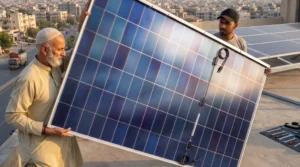
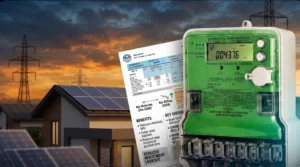
Pakistan has become one of the fastest-growing solar markets in recent years. Rising electricity prices, load shedding, and increasing awareness about renewable energy have encouraged homeowners and businesses across the country to install solar systems.
But one question many people still ask before installing solar is:
“How does Pakistan’s weather affect solar panel performance?”
It is a valid concern because Pakistan experiences extremely different weather conditions throughout the year. From the intense summer heat of Lahore and Multan to Karachi’s coastal humidity and the dusty environments of many urban areas, weather plays a major role in how efficiently solar panels perform.
The good news is that solar panels are designed to operate in varying environmental conditions. However, understanding how heat, dust, rain, smog, humidity, and seasonal changes affect solar energy production can help homeowners make smarter decisions about system sizing, maintenance, and long-term performance.
Do Solar Panels Work Well in Pakistan?
Yes , Pakistan is actually considered a very favorable country for solar energy generation.
Most areas in Pakistan receive strong sunlight throughout the year, making solar power highly effective for residential, commercial, and industrial use. Cities like Islamabad, Lahore, Karachi, Faisalabad, Bahawalpur, and Multan receive enough solar irradiance to support efficient energy generation for most of the year.
Pakistan’s high sunlight exposure is one of the main reasons rooftop solar adoption has increased so rapidly over the last few years. However, sunlight alone does not determine solar performance.
Weather conditions can directly impact:
- energy generation,
- panel efficiency,
- inverter performance,
- and long-term system health.
How Summer Heat Affects Solar Panels in Pakistan
One of the biggest misconceptions about solar panels is that hotter weather automatically means better solar performance.
In reality, solar panels perform best under strong sunlight but relatively moderate temperatures.
Pakistan’s summers can become extremely hot, especially in cities like:
- Lahore,
- Multan,
- Bahawalpur,
- Sukkur,
- and Karachi.
When solar panel temperatures rise too much, their efficiency can slightly decrease. This happens because excessive heat increases electrical resistance inside the solar cells.
For example:
- a solar panel may generate maximum output during bright sunlight in the morning,
- but efficiency may slightly drop during extremely hot afternoon temperatures.
This does not mean solar stops working in summer. In fact, solar systems still generate significant electricity during Pakistan’s hot months because sunlight intensity remains very high.
The overall daily production usually remains strong despite temporary efficiency losses caused by heat.
Why Dust Is One of the Biggest Problems for Solar Panels in Pakistan
Dust accumulation is one of the most important environmental factors affecting solar systems in Pakistan.
In many cities, dust particles settle continuously on solar panels due to:
- dry weather,
- construction activity,
- traffic pollution,
- and seasonal dust storms.
When dust covers the surface of solar panels, sunlight penetration decreases, reducing energy production.
In heavily dusty conditions, dirty panels can lose a noticeable portion of their efficiency over time.
This issue becomes even more serious in:
- industrial areas,
- roadside buildings,
- open agricultural environments,
- and cities with frequent smog and pollution.
That is why regular solar panel cleaning is extremely important in Pakistan.
Many homeowners are surprised to see immediate improvement in solar output after properly cleaning dusty panels.
Monsoon Season and Solar Performance
Pakistan’s monsoon season affects solar generation differently depending on the region.
During rainy or heavily cloudy days:
- sunlight intensity decreases,
- solar production temporarily drops,
- and generation fluctuations become more common.
However, rain itself is not harmful to properly installed solar systems.
In fact, monsoon rain can actually help by naturally washing away dust and dirt buildup from panel surfaces.
Most modern solar panels are designed to handle:
- rain,
- moisture,
- humidity,
- and outdoor weather exposure safely.
The bigger concern during monsoon season is usually:
- inconsistent sunlight,
- water drainage around installations,
- and improper wiring protection in low-quality systems.
Professionally installed solar systems generally perform reliably even during rainy seasons.
Does Smog Affect Solar Panels in Pakistan?
Yes, smog can significantly impact solar panel efficiency.
This is becoming increasingly relevant in cities like Lahore, where winter smog has become a major environmental issue. Smog reduces the amount of sunlight reaching solar panels because airborne pollutants scatter and block solar radiation.
During severe smog conditions:
- solar generation may decrease,
- daylight intensity becomes weaker,
- and energy production can fluctuate more than usual.
While solar panels still continue working, overall efficiency may temporarily reduce compared to clear-sky conditions.
This is one reason why proper system sizing matters in Pakistan. A professionally designed solar system accounts for seasonal weather variations instead of assuming perfect sunlight every day.
How Winter Weather Impacts Solar Systems
Winter weather affects solar systems differently than summer.
Interestingly, cooler temperatures can actually improve solar panel efficiency because solar cells operate better under moderate temperatures.
However, winter days in Pakistan are shorter, which means:
- fewer sunlight hours,
- lower daily energy production,
- and reduced peak generation time.
Fog and smog in northern Punjab regions can also reduce sunlight availability during winter mornings.
Still, solar systems continue producing electricity throughout winter and remain highly useful for reducing electricity bills year-round.
Weather Conditions and Solar Production Comparison
| Weather Condition | Effect on Solar Panels |
| Strong sunlight | High energy generation |
| Extreme heat | Slight efficiency reduction |
| Dust buildup | Reduced sunlight absorption |
| Rain | Temporary lower generation but helps clean panels |
| Cloudy weather | Reduced electricity production |
| Winter temperatures | Better efficiency but shorter production hours |
| Smog & pollution | Lower sunlight penetration |
Why Proper Solar System Design Matters in Pakistan
Weather variations are one of the biggest reasons professional solar system design is important.
A properly designed solar system considers:
- local climate conditions,
- seasonal sunlight changes,
- roof direction,
- shading,
- dust exposure,
- and electricity consumption patterns.
For example:
- homes in dusty areas may require more frequent maintenance,
- commercial buildings may need optimized panel tilt angles,
- and homes with high summer electricity usage may require larger system capacity.
Solar is not simply about installing panels on a roof. Long-term performance depends heavily on correct planning and quality installation.
How to Improve Solar Panel Performance in Pakistan
Homeowners can improve solar efficiency by following a few practical steps.
Regular Cleaning
Dust and pollution should be cleaned regularly to maintain sunlight absorption.
Professional Installation
Proper tilt angle and positioning improve energy generation throughout the year.
Quality Equipment
High-quality panels and inverters perform more reliably under Pakistan’s weather conditions.
Routine Inspection
Periodic maintenance helps detect wiring issues, dirt buildup, and inverter problems early.
Avoid Shading
Nearby buildings, trees, and water tanks should not block sunlight exposure.
Is Pakistan’s Climate Good for Solar Energy?
Despite seasonal challenges, Pakistan remains an excellent country for solar energy generation.
The country receives:
- abundant sunlight,
- long summer days,
- and strong yearly solar potential.
Even with:
- heat,
- dust,
- monsoon rain,
- and smog,
solar systems can still generate substantial electricity savings when properly installed and maintained.
That is why more homeowners, businesses, factories, farms, and commercial facilities across Pakistan continue shifting toward solar power every year.
Final Thoughts
Weather conditions in Pakistan definitely affect solar panel performance, but they do not reduce the overall value of solar energy.
Heat may slightly lower efficiency during peak summer temperatures, while dust, smog, and cloudy weather can temporarily affect electricity generation. However, with proper system design, quality equipment, and regular maintenance, solar panels continue to perform effectively across Pakistan’s climate conditions.
For most homeowners, the long-term savings and energy independence provided by solar still outweigh seasonal performance fluctuations. As electricity prices continue increasing in Pakistan, understanding how weather impacts solar systems can help consumers make smarter decisions about installation, maintenance, and long-term solar investment.
FAQs
Do solar panels work during cloudy weather in Pakistan?
Yes, solar panels still generate electricity during cloudy weather, although production is lower compared to sunny conditions.
Does heat damage solar panels?
Modern solar panels are designed to withstand high temperatures. However, excessive heat can slightly reduce efficiency temporarily.
How often should solar panels be cleaned in Pakistan?
In dusty areas, panels should generally be cleaned every few weeks or at least every 1–2 months depending on environmental conditions.
Can rain damage solar panels?
No. Properly installed solar panels are weather-resistant and designed for outdoor exposure.
Does smog reduce solar panel efficiency?
Yes, heavy smog can reduce sunlight penetration and temporarily lower solar energy production.
Is winter bad for solar systems in Pakistan?
Not necessarily. Cooler temperatures can improve panel efficiency, although shorter daylight hours may reduce total daily production.
Which weather condition affects solar panels the most in Pakistan?
Dust buildup is often one of the biggest factors reducing solar panel performance in many Pakistani cities.
Is solar still effective in Pakistan despite weather conditions?
Yes. Pakistan’s strong sunlight exposure makes solar energy highly effective despite seasonal weather changes.